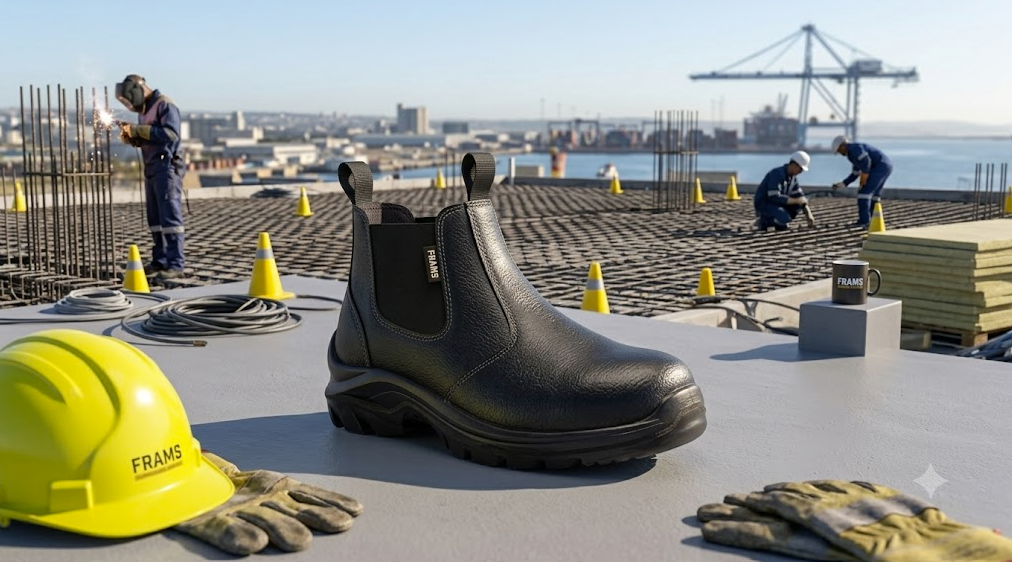
Let’s be real for a moment, if you’re working in construction, your feet are taking a beating every single day. Between concrete dust, scattered nails, and heavy equipment, your feet face more hazards in a single shift than most people encounter in a year. As someone who has spent years on-site, I can tell you: safety boots aren’t just gear; they are your most critical tool.
I’ve seen seasoned workers learn this lesson the hard way. One minute you’re focused on the task, and the next, you’re heading to casualty because a piece of rebar found its way through a standard shoe. It’s a preventable injury that can sideline your career and your paycheck.
What Makes Construction Safety Boots Different?
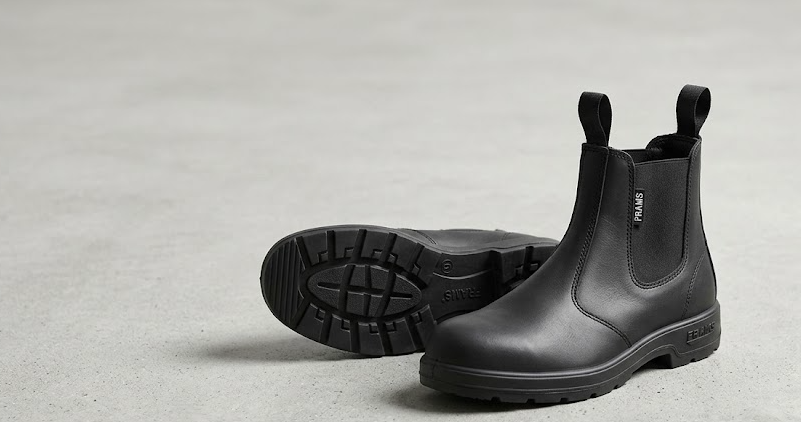
Safety boots are specifically made to handle the chaotic environment of a South African job site. They aren’t just “tougher” shoes; they are tested pieces of Personal Protective Equipment (PPE) designed to mitigate specific risks.
The primary feature is the safety toe cap.. These are built to withstand heavy impacts. Imagine a sledgehammer or a stray cinderblock falling directly onto your foot. These caps are the only thing standing between you and a life-altering crush injury.
Key Features That Actually Matter
When selecting your next pair, look for these markers of quality to ensure you are meeting both safety requirements and value for money:
- SANS/ISO 20345 Standards: In South Africa, this is non-negotiable. Look for the SANS 20345 mark. This certification ensures the boot has passed rigorous testing for impact resistance, sole slip-resistance, and durability.
- Durable Barton Print Leather: Not all leather is created equal. Barton Print leather is the local industry standard for a reason; it is treated to withstand the abrasive nature of concrete and mud without cracking prematurely in the harsh African sun.
- Puncture Resistance: Construction sites are “minefields” of nails and screws. A puncture-resistant midsole acts as a protective shield, preventing sharp objects from piercing through the bottom of the boot into your foot.
- Dual Density PU Soles: Many high-quality boots, like those from Frams, use Dual Density Polyurethane (PU). The outer layer is high-density for wear resistance, while the inner layer is lower density to provide shock absorption for your joints.
Steel: Choosing the Right Protection
Based on the specific hazards of your trade, your toe cap matters:
| Feature | Steel Toe |
| Material | Heavy-duty Steel |
| Conductivity | Conducts heat, cold, and electricity |
| Weight | Slightly heavier |
| Best For | General heavy-duty construction |
Comfort: The Underrated Safety Metric
In my experience, an uncomfortable boot is a dangerous boot. When your feet are blistered or aching, your focus shifts from the hazards around you to the pain in your feet. Fatigue leads to lapses in concentration.
Modern safety footwear has evolved. Look for moisture-wicking linings to manage sweat in the South African heat and EVA or memory foam footbeds that provide all-day support.
Expert Advice: Always “break in” your boots before your first full shift. Wear them with your thickest work socks for a few hours over a weekend to allow the leather to conform to your foot shape.
Maintaining Your Investment
A quality pair of boots is an investment in your health. To make them last:
- Remove Corrosives: Concrete dust sucks the moisture out of leather. Wipe your boots down with a damp cloth at the end of every day.
- Air Dry Only: If your boots get soaked, let them dry in a well-ventilated area. Never put them near a heater or fire, as this “cooks” the leather and causes it to snap.
- Track the Tread: Once the “lugs” on your sole wear down to less than a few millimetres, your slip resistance is gone. It’s time to replace them.
For those looking for a balance of cost-effectiveness and high-spec protection, Frams Safety Shoes remains a trusted South African leader. Their range is specifically built for our local climate and industrial standards.
Frequently Asked Questions
How do I know if my boots are truly “safe”?
Check the tongue or the inside of the boot for a label that says SANS 20345. If that certification isn’t there, the boot may not provide the protection required by the Occupational Health and Safety (OHS) Act on South African sites.
Is there a difference between water-resistant and waterproof?
Yes. Water-resistant leather (like Barton Print) will keep your feet dry in light rain or damp grass. If you are standing in water or deep mud all day, you should look for fully waterproof boots with sealed internal membranes.
Can I replace the insoles?
Absolutely. Adding a high-quality gel or memory foam insole is a great way to extend the comfort of your boots, especially if you spend long hours standing on hard surfaces.