11. What industries are best suited for the Frams Ndlovu Addo and Pumba models?
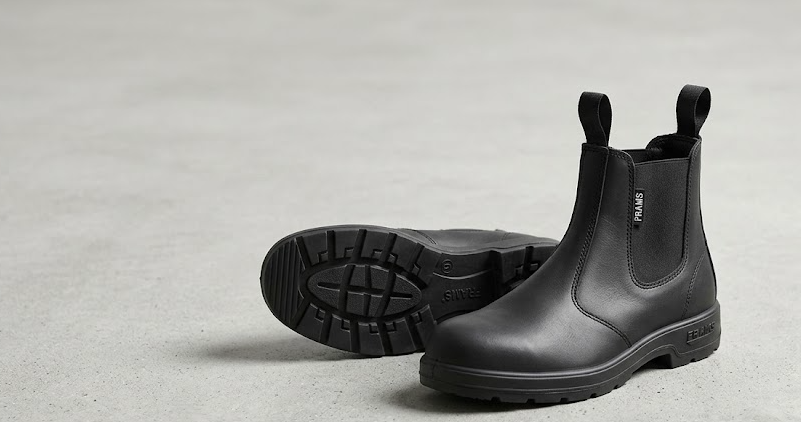
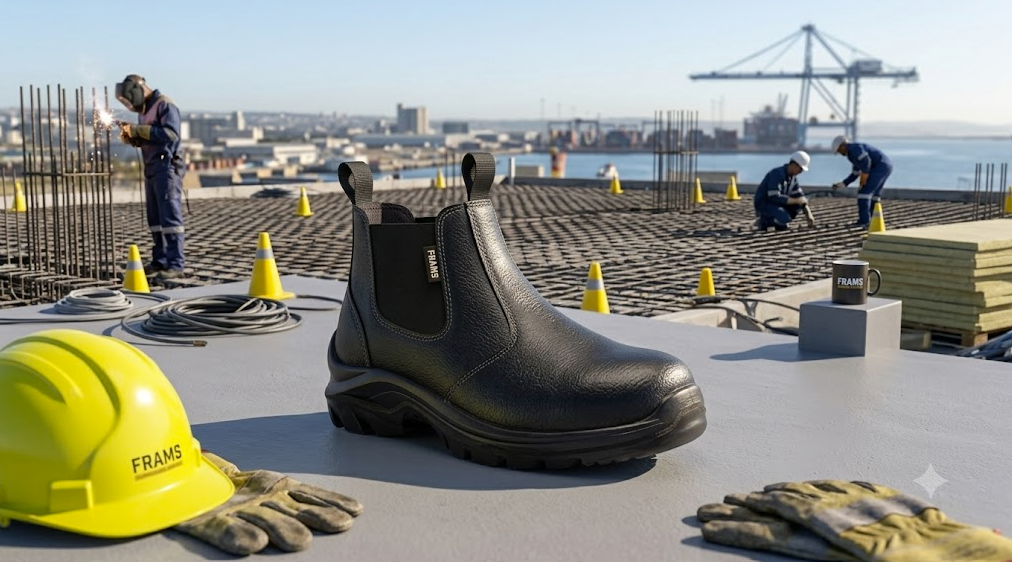
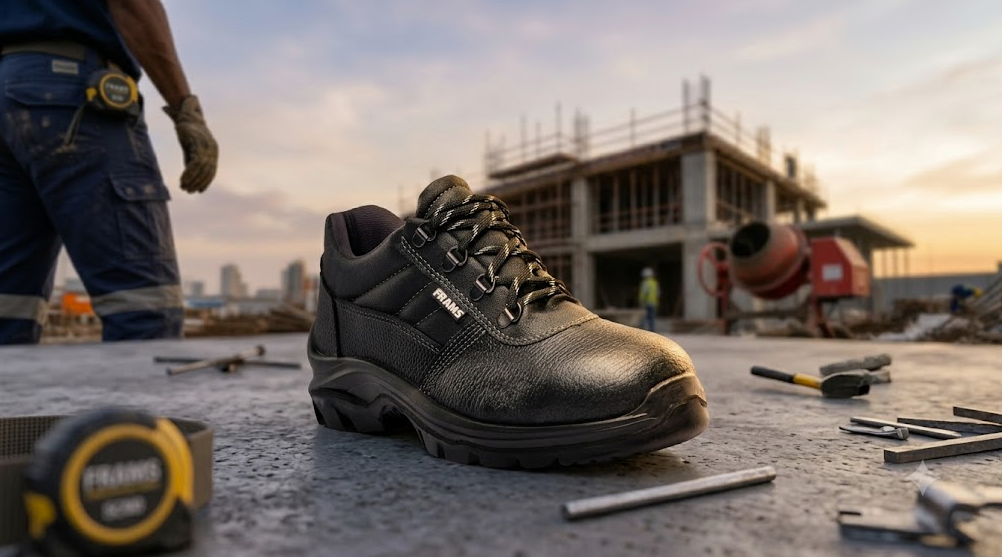
The Addo boot (Style 8402) and Pumba shoe (Style 8401) are tough all-rounders built for heavy industry, mining, and construction. Both styles utilize the Geo Dual Density PU sole with an aggressive tread pattern for traction on loose soil, mud, and gravel. The Addo boot provides extended ankle support, which is critical for mining staff and machinery operators working on uneven terrain. The Pumba shoe features a lower ankle cut, giving factory supervisors and maintenance artisans greater flexibility and range of motion.
12. What slip resistance ratings do Frams safety shoes carry?
Every boot in the Frams catalog is tested for slip resistance under rigorous SANS/ISO 20345 guidelines. Their deep-grooved polyurethane outsoles are manufactured with wide channels to quickly displace liquids underfoot, preventing hydroplaning on slick warehouse floors or outdoor surfaces covered in water, oils, or detergents. Whether navigating a wet food processing washdown zone or a rainy construction deck, Frams safety footwear delivers continuous, multi-directional grip to help safety managers significantly reduce workplace slips and trips.
13. What is the maximum heat resistance for Frams PU soles?
Frams safety footwear features direct-injected polyurethane soles designed to safely withstand contact temperatures for limited periods of time. The PU sole acts as an effective thermal insulator, preventing ground heat from radiating upward into the wearer’s foot. This makes them ideal for agriculture, hot outdoor construction sites, and general manufacturing.
14. How should I clean and maintain Frams leather safety boots?
Proper maintenance extends the life of your Frams genuine leather boots. Allow wet boots to dry naturally in a well-ventilated indoor space; never expose them to direct heat like fires or heaters, which cracks the leather. Brush away dried mud and concrete dust using a stiff utility brush. Regularly treat the genuine Barton Print or Haircell leather uppers with a quality wax polish or dubbin. This restores natural oils, preserves flexibility, and enhances water resistance, keeping your affordable safety investment working for months.
15. How often should a worker replace their safety boots?
Typically, high-use industrial safety boots last 6 to 12 months depending on the work environment, chemical exposure, and usage hours. Boots must be replaced immediately if the tread wears completely smooth, ruining slip resistance, or if the leather cracks deeply enough to expose the steel toe cap. Most importantly, replace boots immediately after a major impact or crushing event; once a steel toe cap absorbs a severe blow, its structural integrity is permanently compromised, even if it looks undamaged.