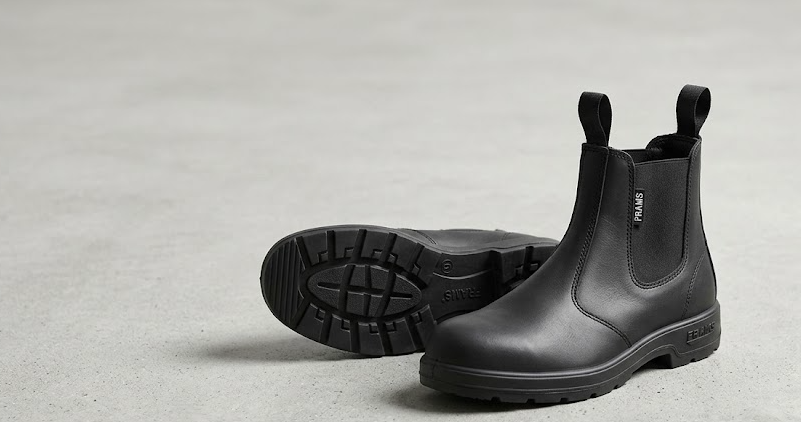
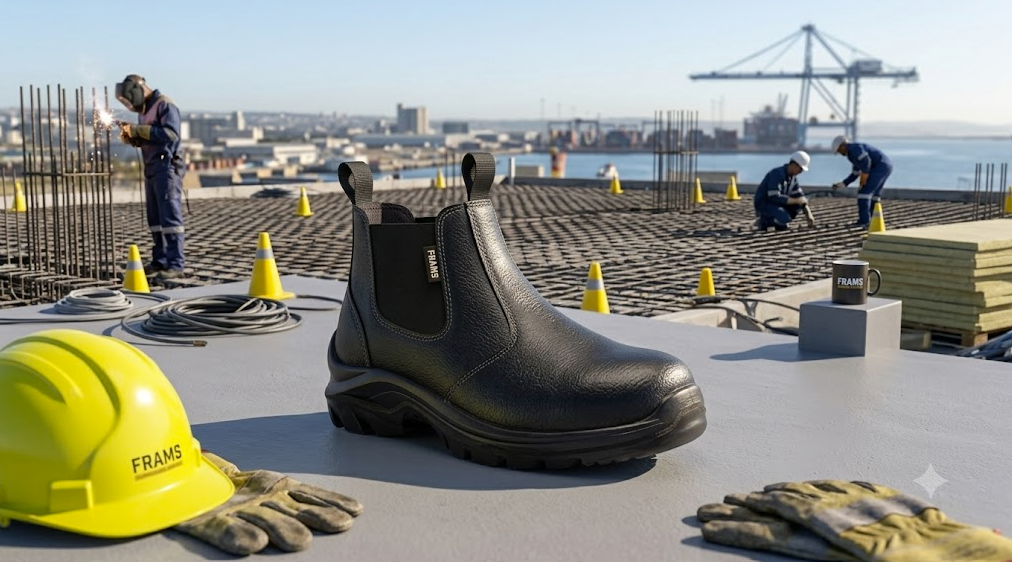
When it comes to workplace safety, steel-toe safety boots are amongst the most critical pieces of protective equipment. In South Africa’s industrial landscape, proper work boots aren’t just recommended—they’re legally mandated and could mean the difference between going home safely or facing a life-changing injury.
According to the Compensation Commissioner, foot and ankle injuries account for nearly 15% of all workplace accidents in South Africa. The good news? Most are entirely preventable with proper safety footwear.
Understanding Steel-Toe Safety Boot Protection
Steel-toe work boots provide essential protection against impact, compression, and puncture hazards. In South Africa, safety boots must meet SANS 20345 standards, withstanding impact forces up to 200 joules and compression forces up to 15kN.
Industries Where Steel-Toe Boots Are Essential
Construction Industry
Construction sites present constant hazards from falling tools, heavy materials, and sharp debris. Steel-toe safety boots protect against crushing injuries and puncture wounds from nails and broken glass. The construction industry experiences numerous preventable foot injuries annually.
Mining Operations
South Africa’s mining industry demands the highest safety standards. Underground conditions, heavy machinery, and falling rocks create severe foot hazard risks. The Chamber of Mines mandates specific safety boot standards for all underground workers.
Manufacturing and Production
Assembly lines and heavy machinery create numerous injury opportunities. Steel-toe work boots protect against falling parts, rolling equipment, and sharp edges. Proper safety footwear reduces manufacturing foot injuries.
Warehousing and Logistics
Growing e-commerce increases warehouse risks from heavy packages, pallet jacks, and forklift operations. The logistics industry has seen an increase in foot injuries over the years due to increased package weights and automation.
Automotive Industry
Auto repair shops face risks from heavy components like engines and transmissions, plus chemical spills and hot surfaces. Automotive workers are particularly at risk of metatarsal injuries from heavy parts.
Oil and Gas Industry
Offshore platforms, refineries, and drilling sites combine heavy equipment with hazardous chemicals. The petroleum industry maintains some of the strictest global safety standards for footwear.
Food Processing and Manufacturing
Commercial kitchens combine heavy equipment with wet, slippery surfaces. Work boots protect against dropped equipment whilst providing essential slip resistance in challenging conditions.
Agriculture and Farming
Modern farming involves heavy machinery and large animals, creating significant foot risks. Agricultural workers face unique seasonal challenges and need protection against livestock kicks and equipment accidents.
Metalworking and Welding
Welding creates hot metal sparks, heavy steel pieces, and sharp edges. Welders face some of the highest foot injury rates, requiring safety boots with heat resistance and spark protection.
Legal Requirements in South Africa
Under the Occupational Health and Safety Act (OHSA), employers must provide appropriate safety footwear in hazardous environments. Requirements include:
- Meeting SANS 20345 standards
- Provided at no cost to employees
- Maintained in good condition
- Appropriate for specific workplace hazards
Non-compliance results in substantial fines and legal liability for workplace injuries.
The Cost of Not Wearing Steel-Toe Safety Boots
For Workers:
- Medical costs can grow quickly for serious injuries
- Potential permanent disability and reduced earning capacity
- Extended recovery affecting family income
For Employers:
- Workers’ compensation claims and production delays
- Legal liability, fines, and increased insurance premiums
- Replacement worker costs and reputation damage
Choosing the Right Steel-Toe Work Boots
When selecting steel-toe safety boots for your workforce, consider these key factors:
Comfort Features: Anti-fatigue technology and breathable materials in work boots increase compliance and reduce worker fatigue.
Industry Requirements: Chemical resistance, electrical protection, or heat resistance may be necessary for specific workplace safety boots.
Compliance Standards: Ensure steel-toe work boots meet SANS 20345 requirements and industry-specific standards.
Quality Investment: Better safety boots provide superior long-term value through extended wear life.
Conclusion: Essential Safety Investment
Steel-toe safety boots aren’t an expense—they’re an investment in workforce safety and productivity. In these 12 industries, proper work boots are absolutely non-negotiable.
Whether managing construction in Johannesburg, manufacturing in Durban, or mining in the Northern Cape, quality steel-toe work boots provide protection no workplace can afford to overlook.
At Frams, we understand that different industries have unique safety requirements. Our steel-toe safety boots meet SANS 20345 standards whilst providing the comfort and durability South African workers need.
Ready to upgrade your team’s safety footwear? Browse our comprehensive work boots collection designed for South African working conditions. Contact our experts today to find the perfect safety boot solution for your workforce.
Frequently Asked Questions
1. What’s the difference between steel-toe and composite-toe safety boots?
Steel-toe safety boots feature traditional steel caps that provide excellent protection against impact and compression. Composite toe boots use non-metallic materials like carbon fibre or plastic, making them lighter and suitable for environments with metal detectors or electrical hazards. Both meet SANS 20345 standards, but steel-toe boots typically offer superior durability for heavy industrial use.
2. How often should steel-toe work boots be replaced?
Steel-toe safety boots should be replaced every 6-12 months, depending on usage intensity, or immediately if you notice worn treads, damaged toe caps, cracked soles, or compromised structural integrity. Regular inspection is crucial—if the safety features are compromised, the boots won’t provide adequate protection.
3. Are employers required to pay for safety boots in South Africa?
Yes, under the Occupational Health and Safety Act (OHSA), employers must provide appropriate personal protective equipment, including safety boots, at no cost to employees in hazardous work environments. Employers are also responsible for ensuring the footwear meets SANS 20345 standards and is maintained in good condition.
4. Can steel-toe safety boots cause foot problems?
Properly fitted steel-toe work boots shouldn’t cause foot problems. However, ill-fitting boots can lead to blisters, calluses, or foot pain. It’s essential to choose boots with adequate toe room, proper arch support, and breathable materials. Many modern safety boots include comfort features like cushioned insoles and moisture-wicking linings.
5. Do steel-toe boots prevent all foot injuries?
Whilst steel-toe safety boots significantly reduce the risk of foot injuries, they don’t prevent all types of accidents. They primarily protect against impact, compression, and puncture hazards. For complete protection, workers may also need boots with additional features like slip resistance, electrical hazard protection, or chemical resistance, depending on their specific work environment.